JPG Hyperscale Data Center Proposed
Meet Solar Farms big cousin. The below preliminary application was submitted on 2/9/2026 for a hyperscale data center comprising 7.1 million square feet in 8 buildings to be constructed at the old Jefferson County (Indiana) Proving Grounds. The total investment and the end user is unknown at this time.
For those unfamiliar, the Jefferson Proving Ground spans roughly 55,000 acres across Jefferson, Jennings, and Ripley counties. It was a massive Army weapons testing site for decades and still contains areas with unexploded ordnance and some contamination. Parts are now wildlife refuge, some military use, and some redevelopment-eligible land.
Because it’s huge, remote and largely undeveloped, it’s exactly the kind of place big tech looks at for hyperscale data campuses.
And those are not small operations.
We’re talking facilities that can pull as much power as a small city, sometimes hundreds of megawatts to over a gigawatt. That level of demand requires new transmission lines, substations, and sometimes even new power generation. Those costs and upgrades rarely stay confined to one county line. They ripple across entire utility regions.
So even if a data center sits 30–40 miles away, surrounding counties can feel it through grid expansion and potential rate pressure.
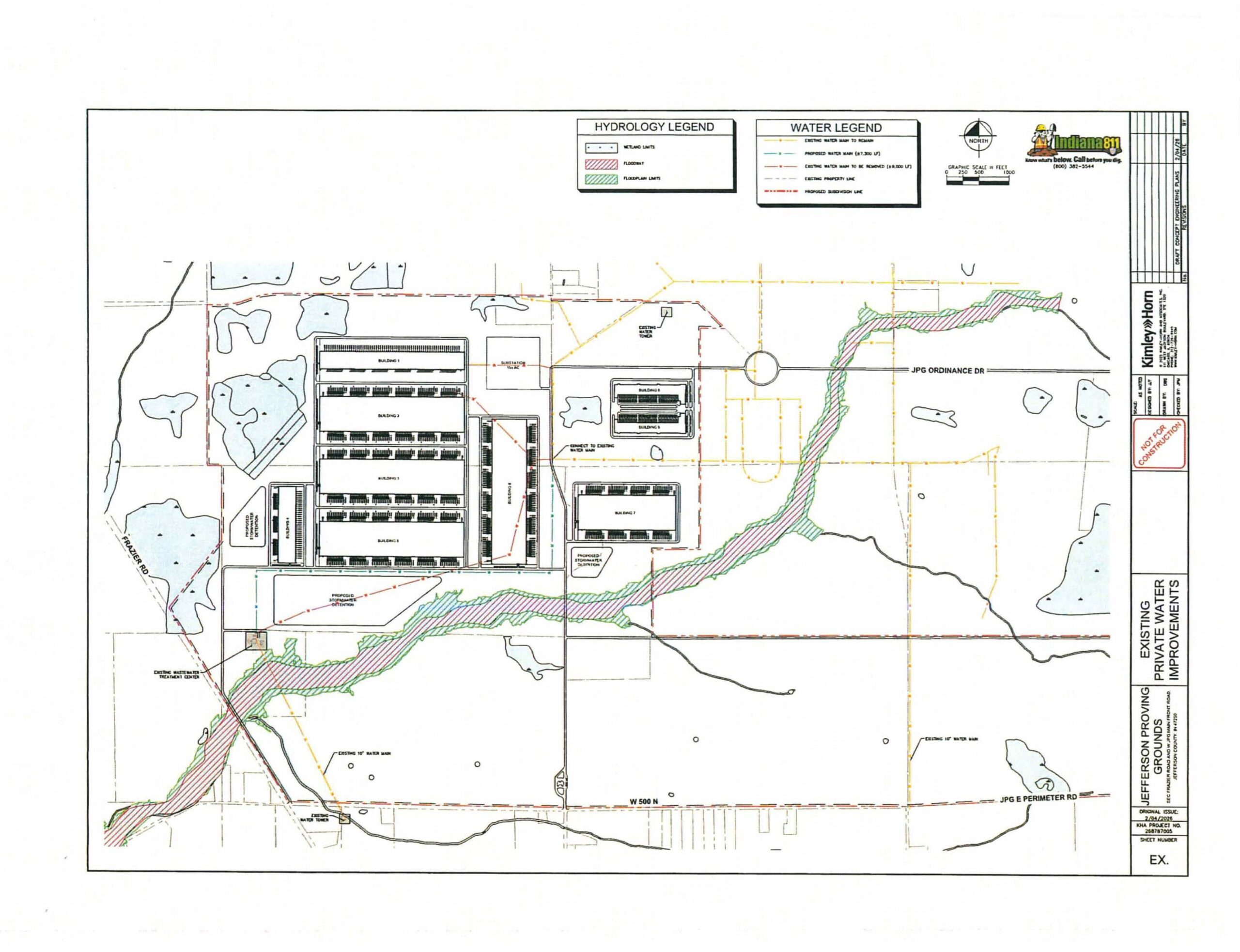
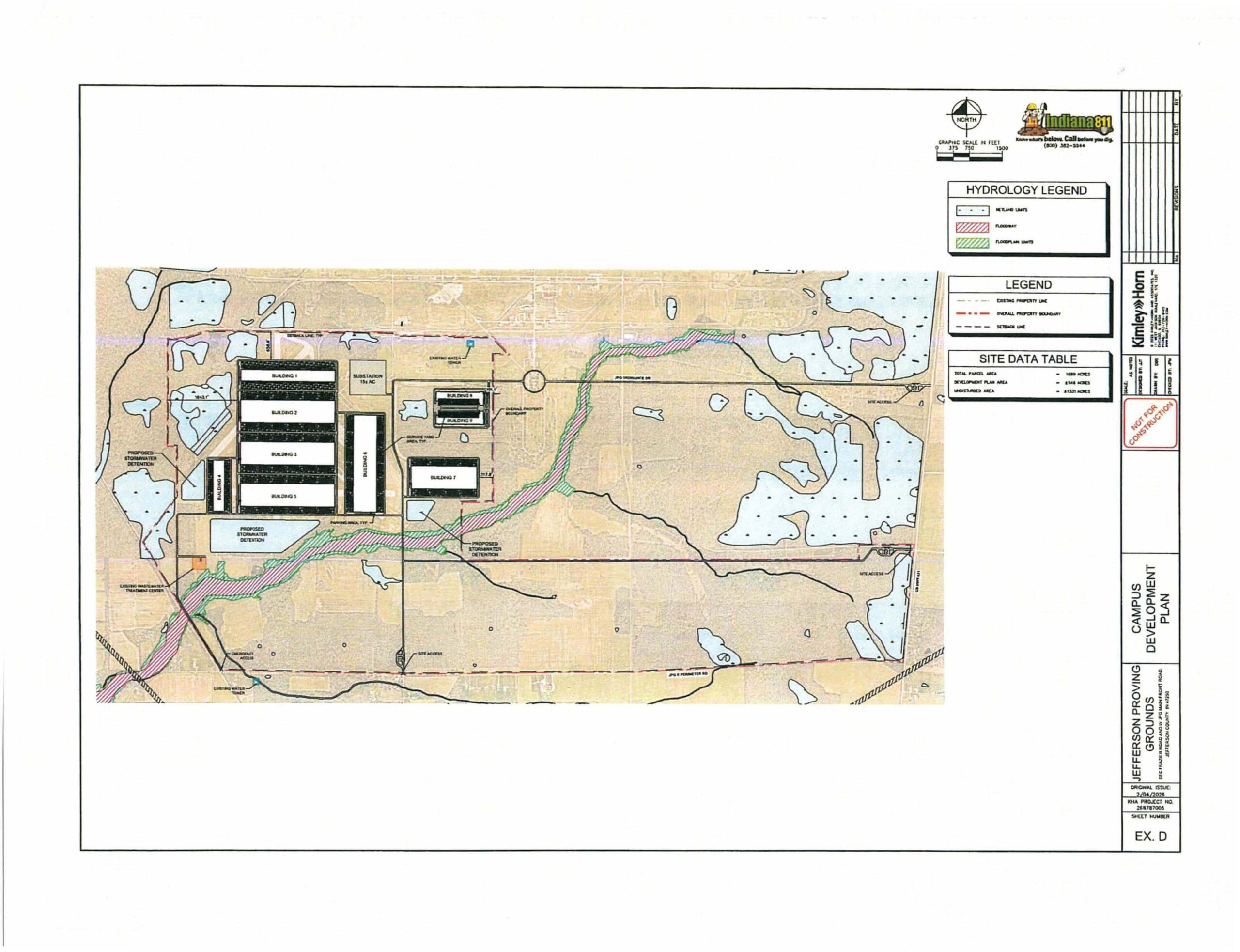
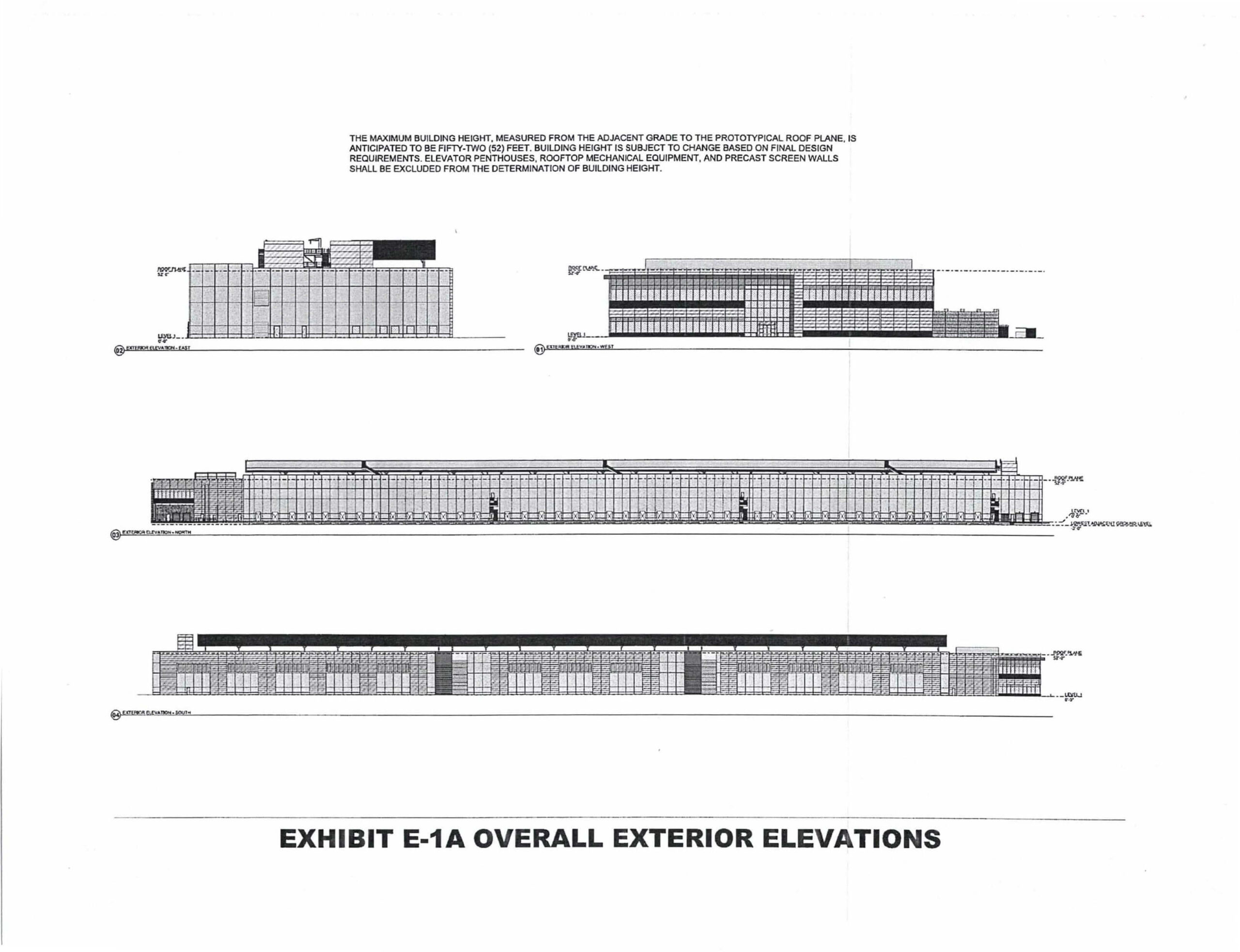
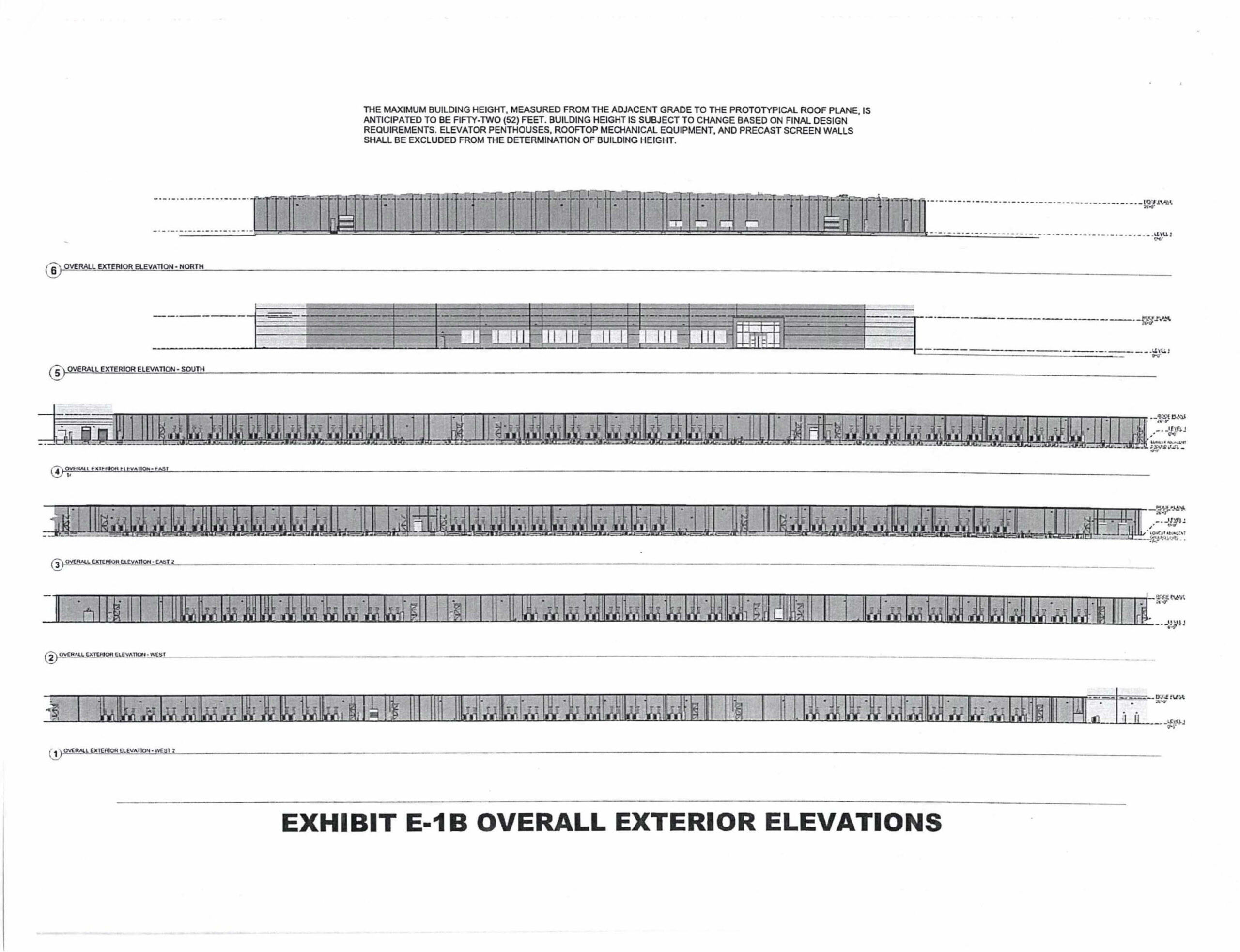
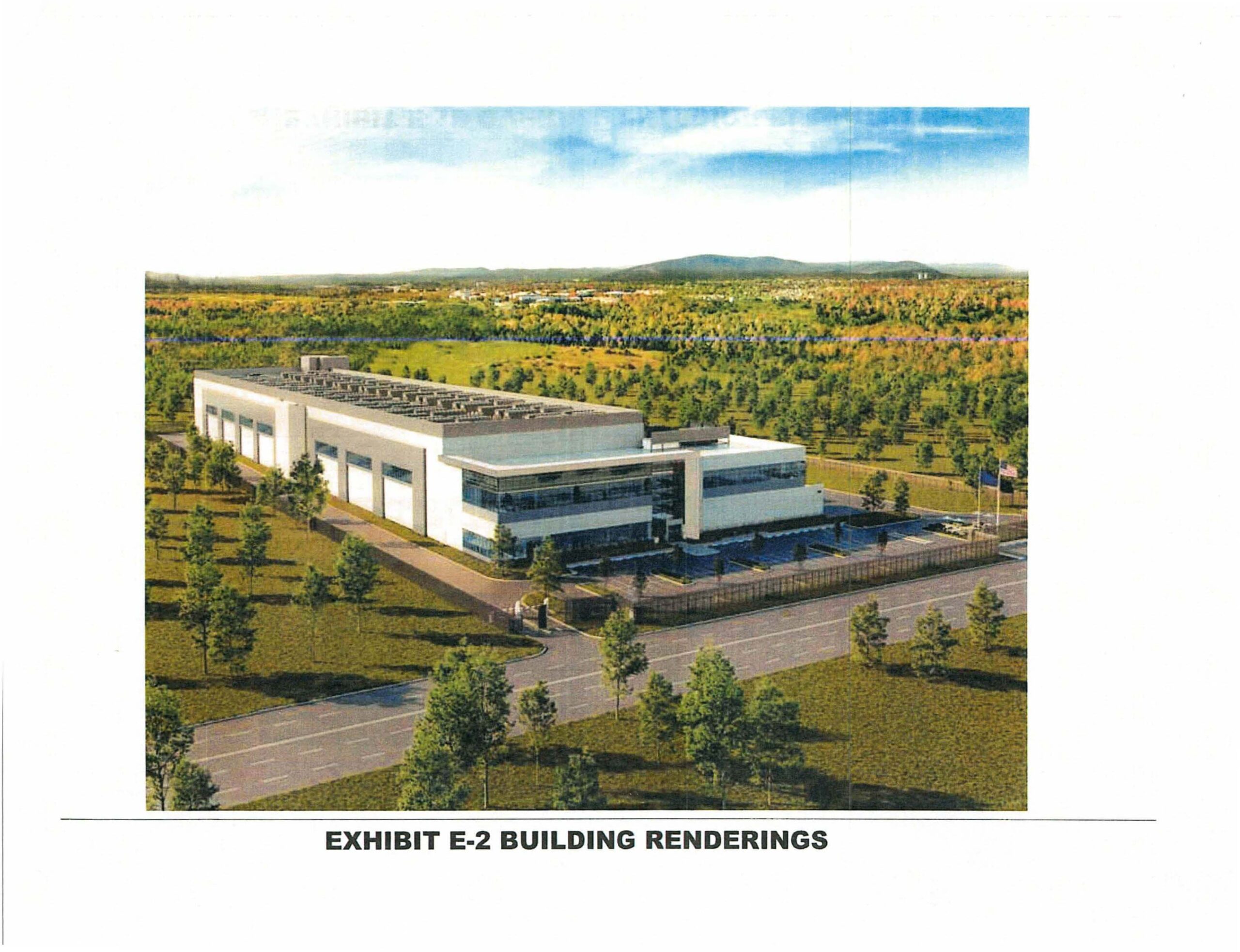
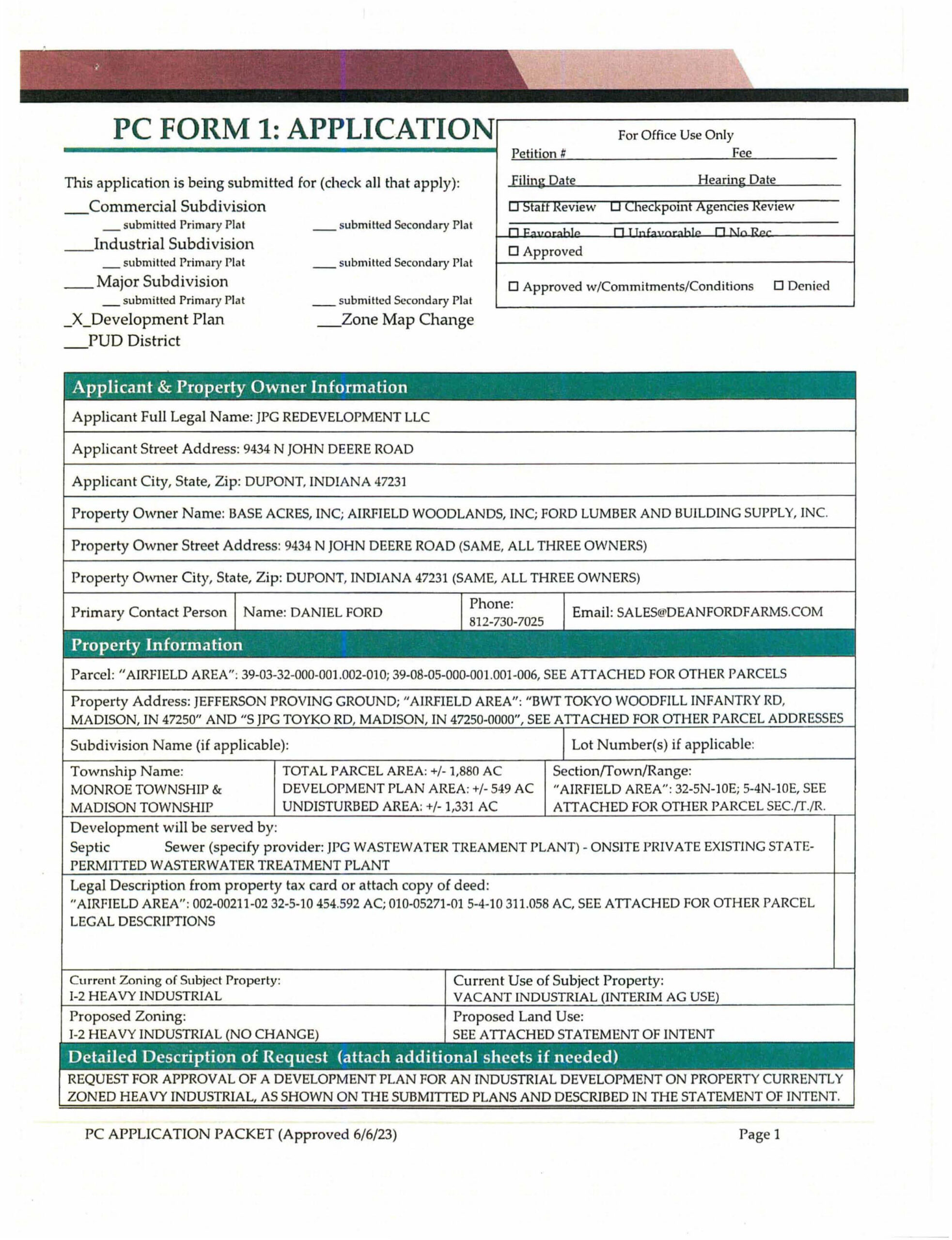
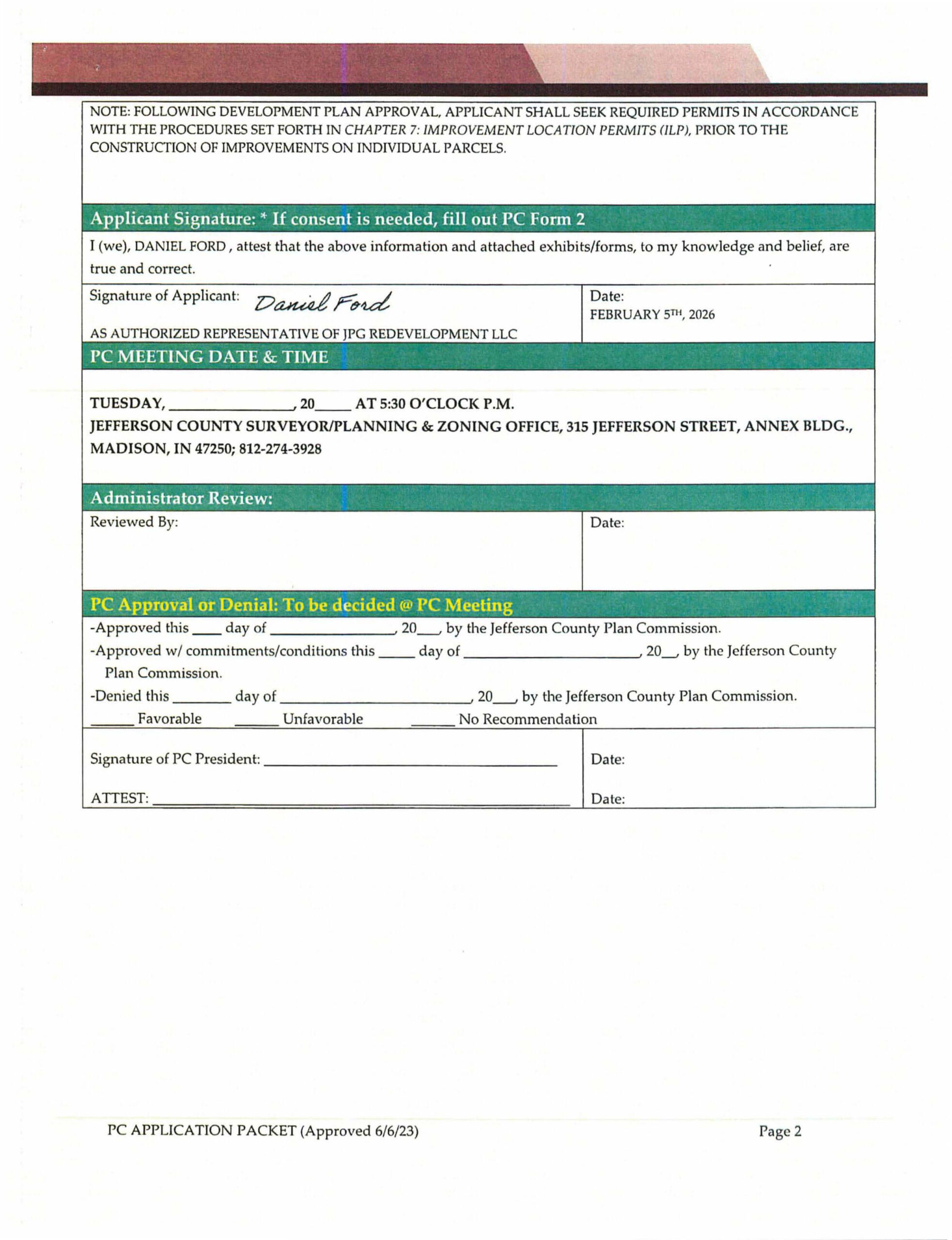
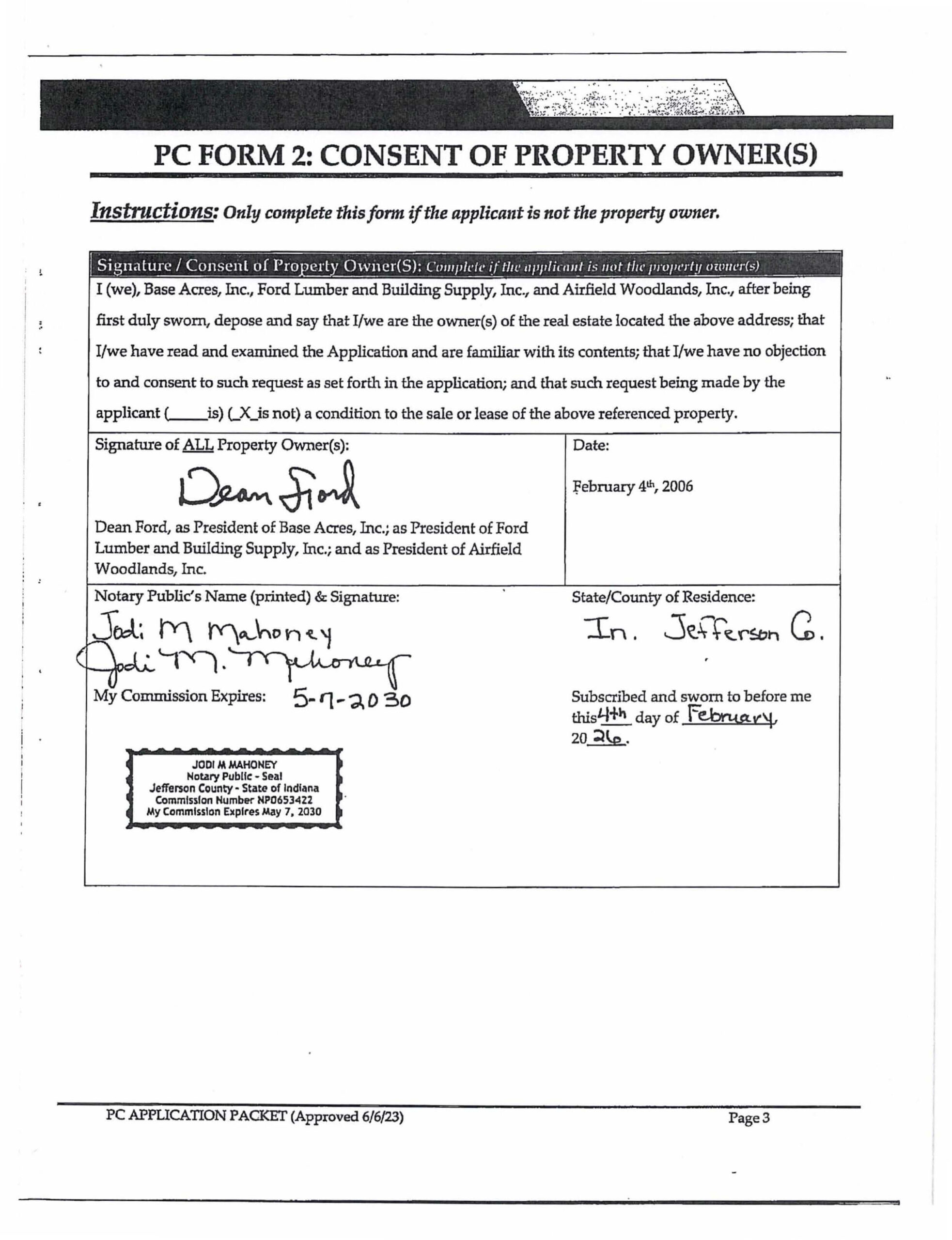
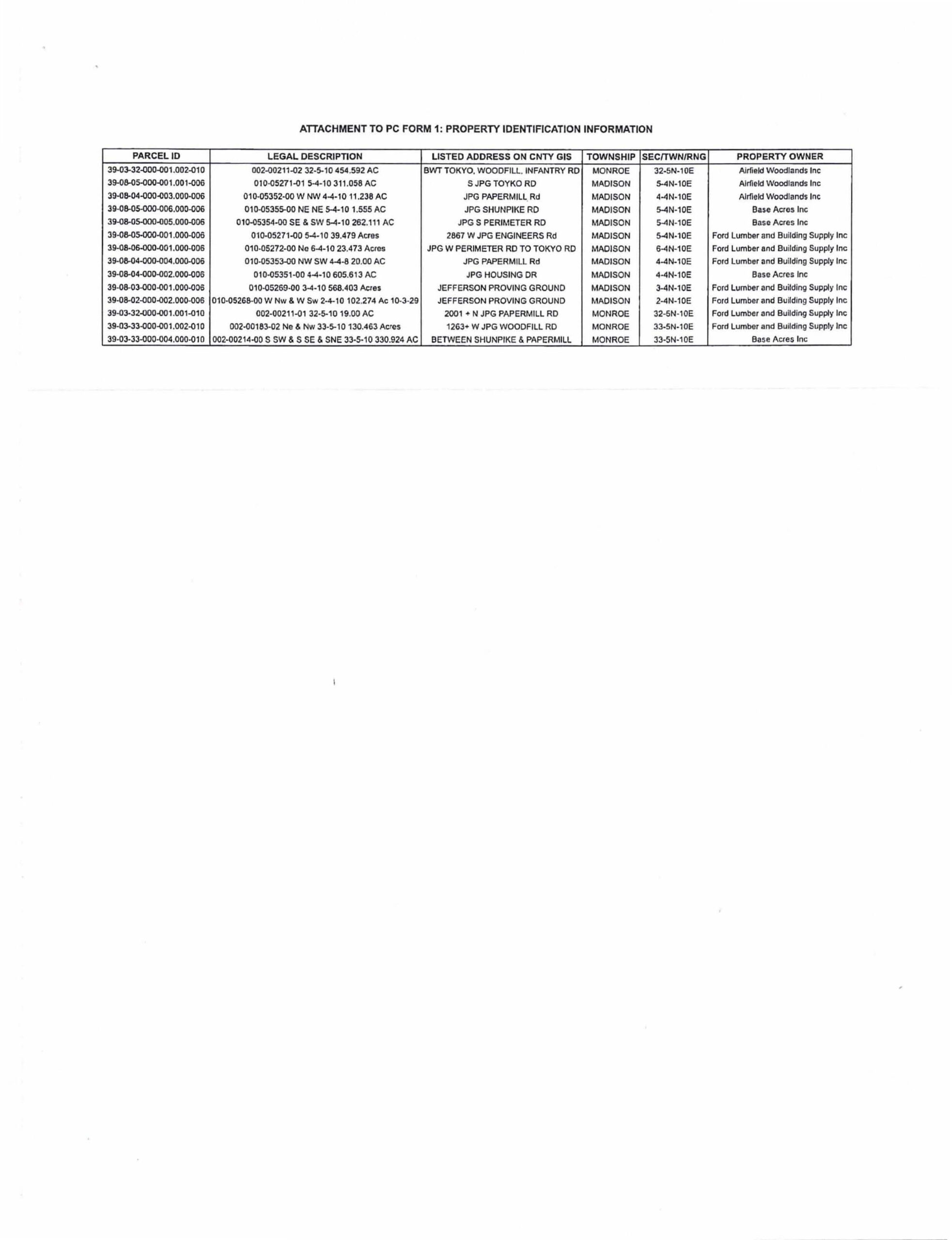
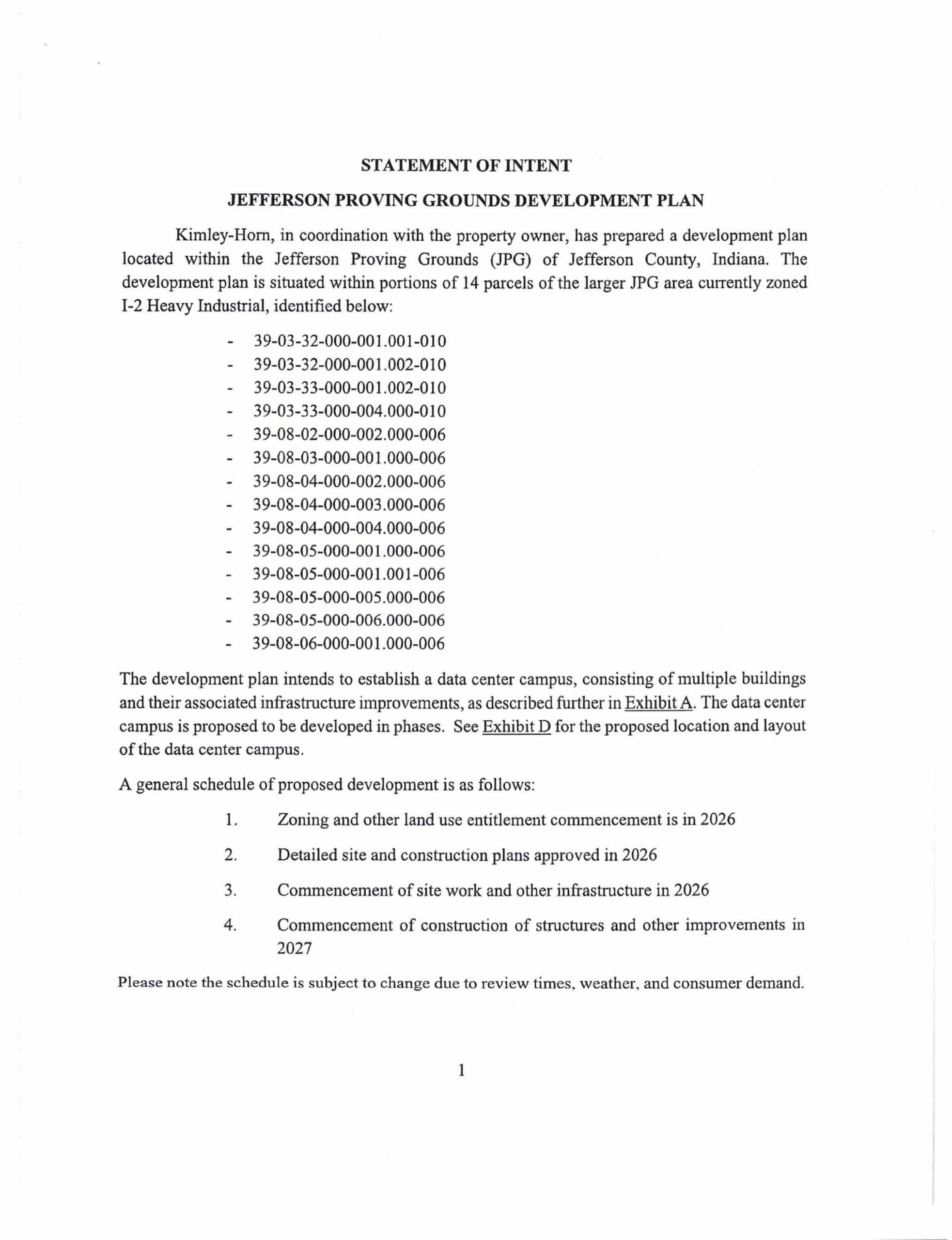
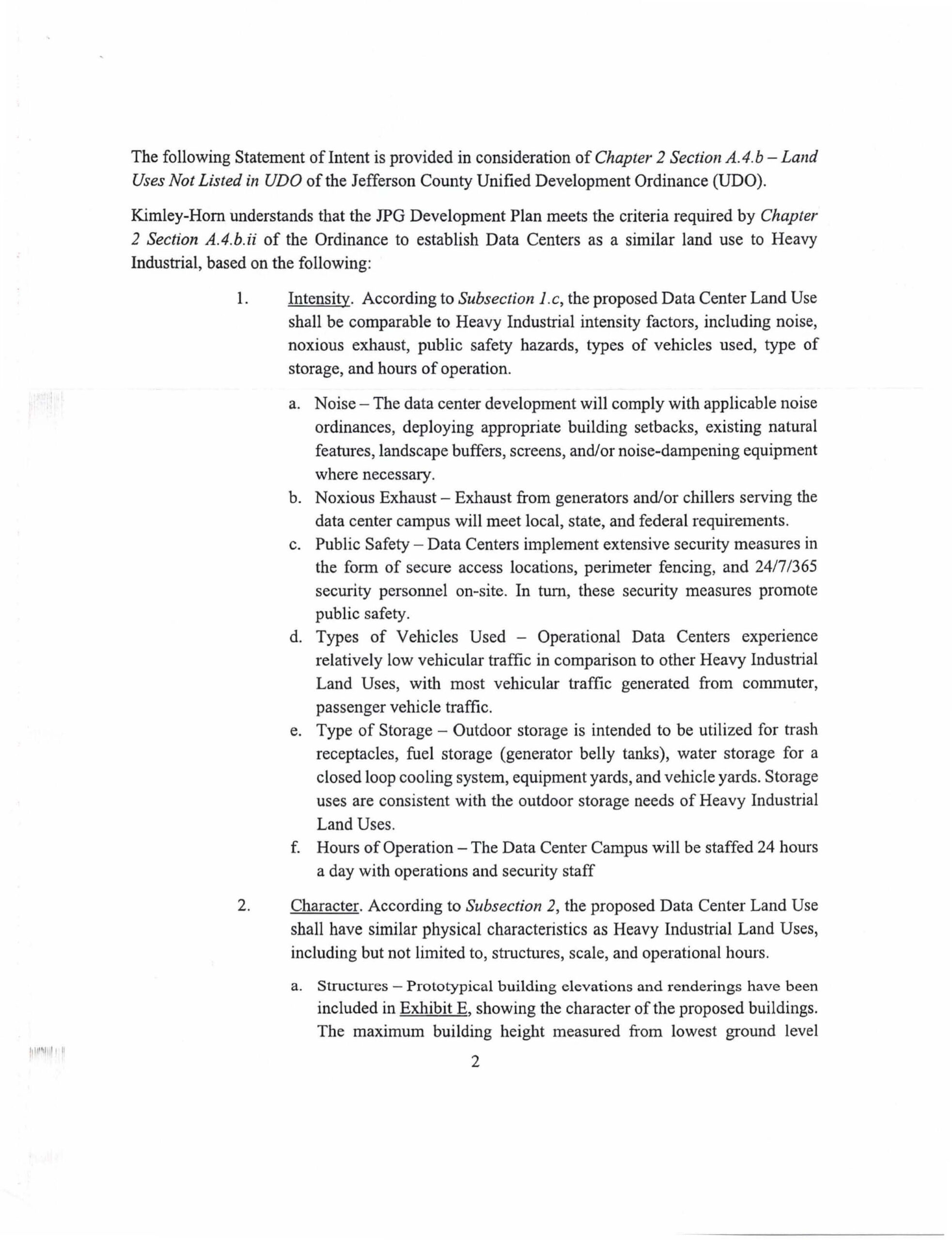
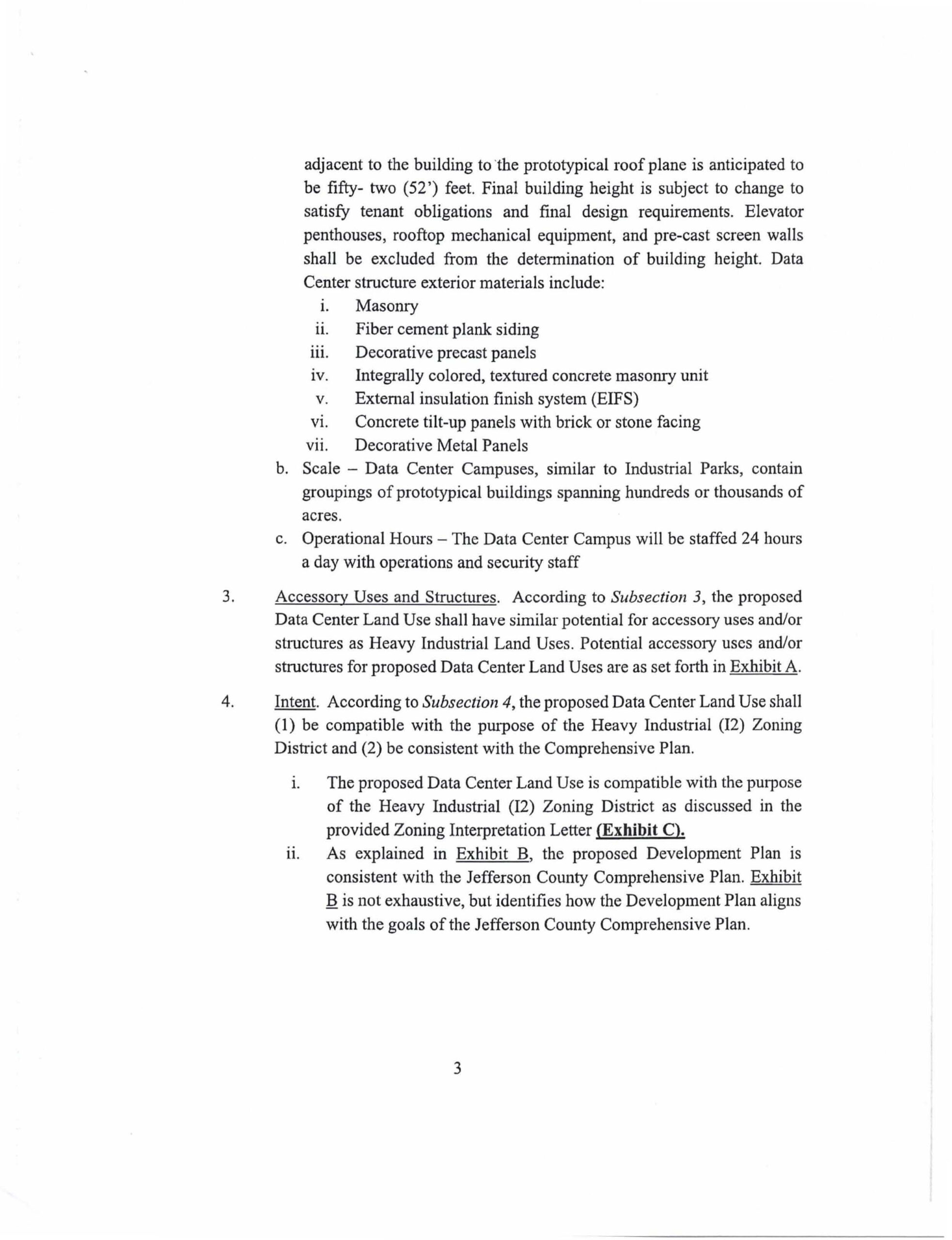
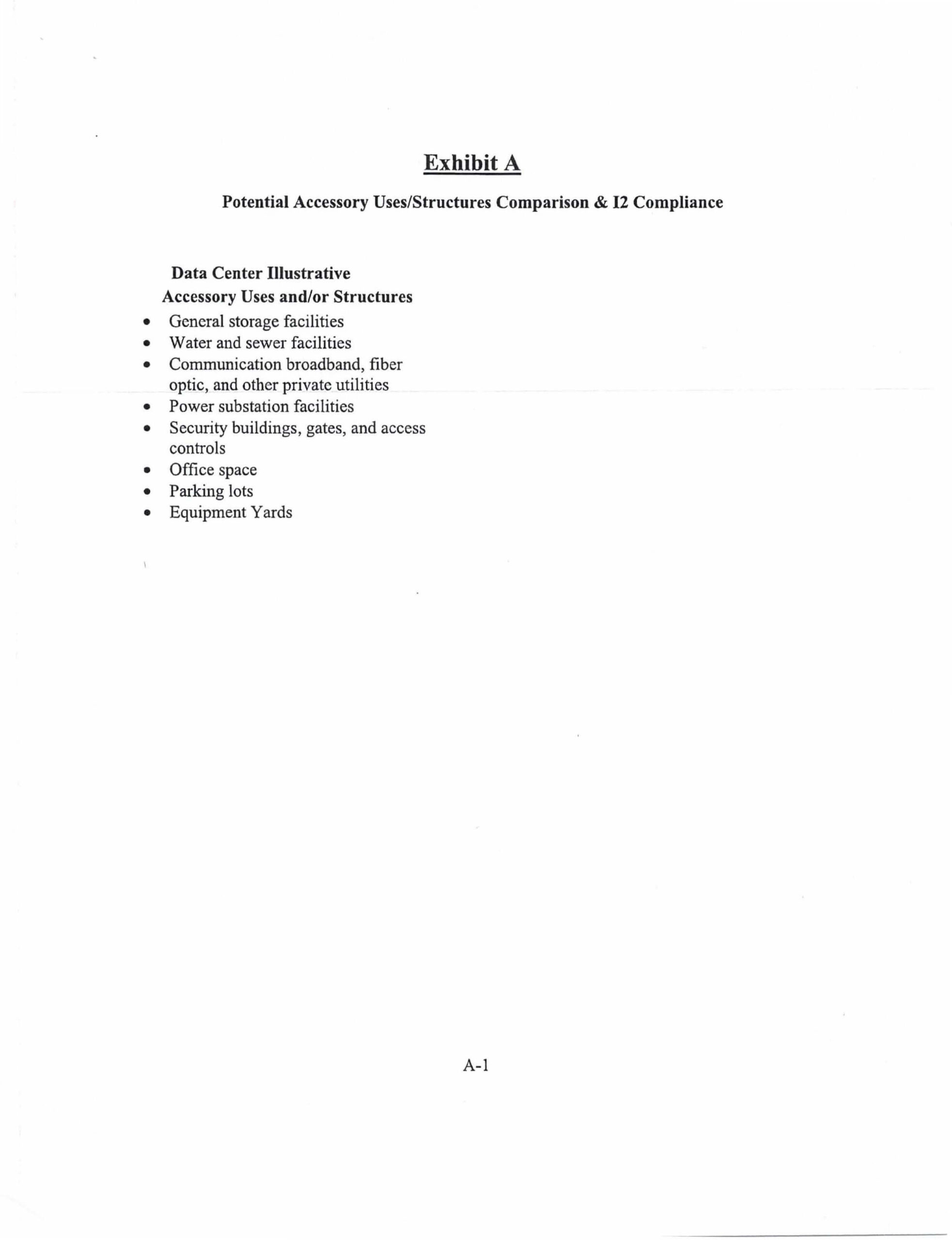
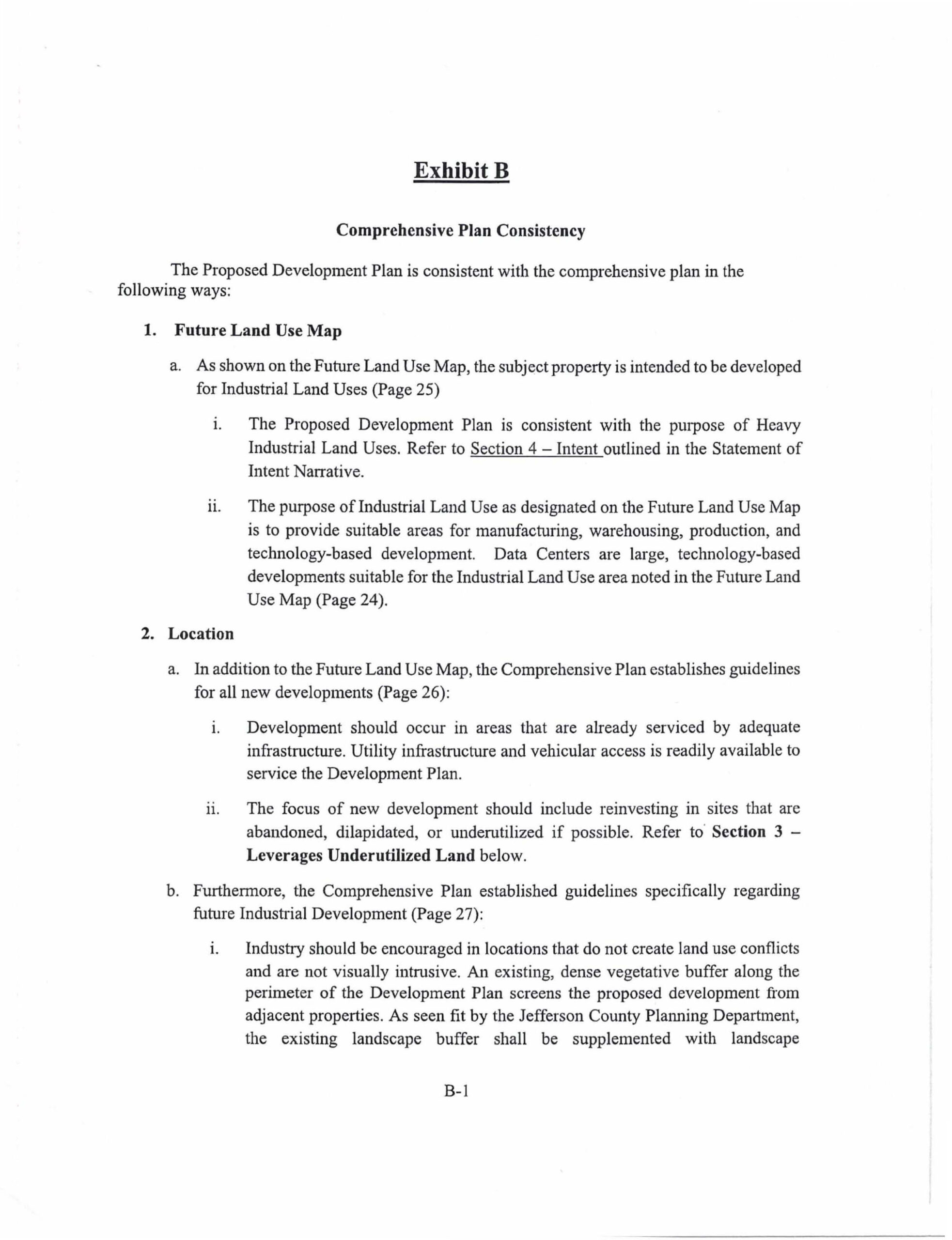
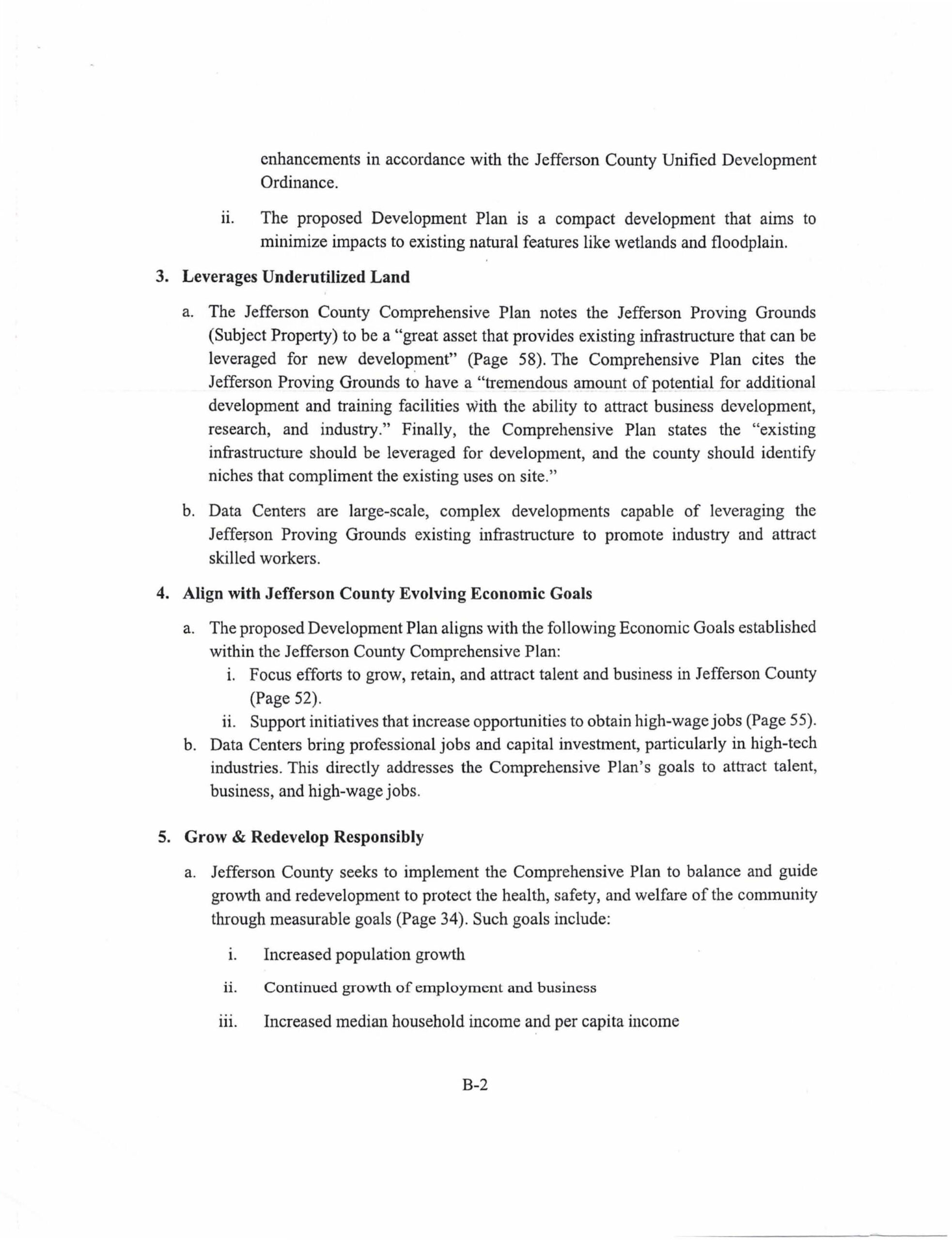

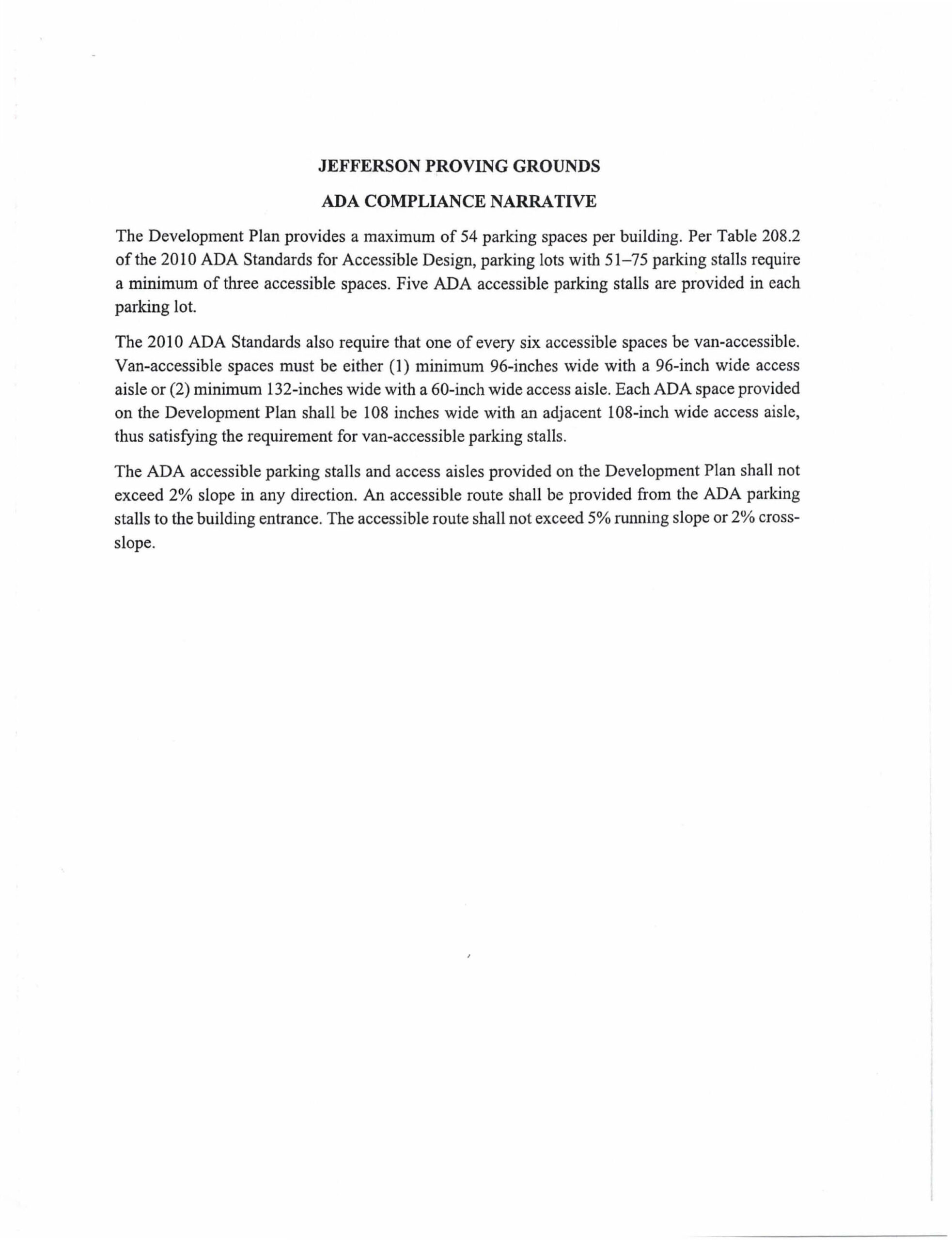
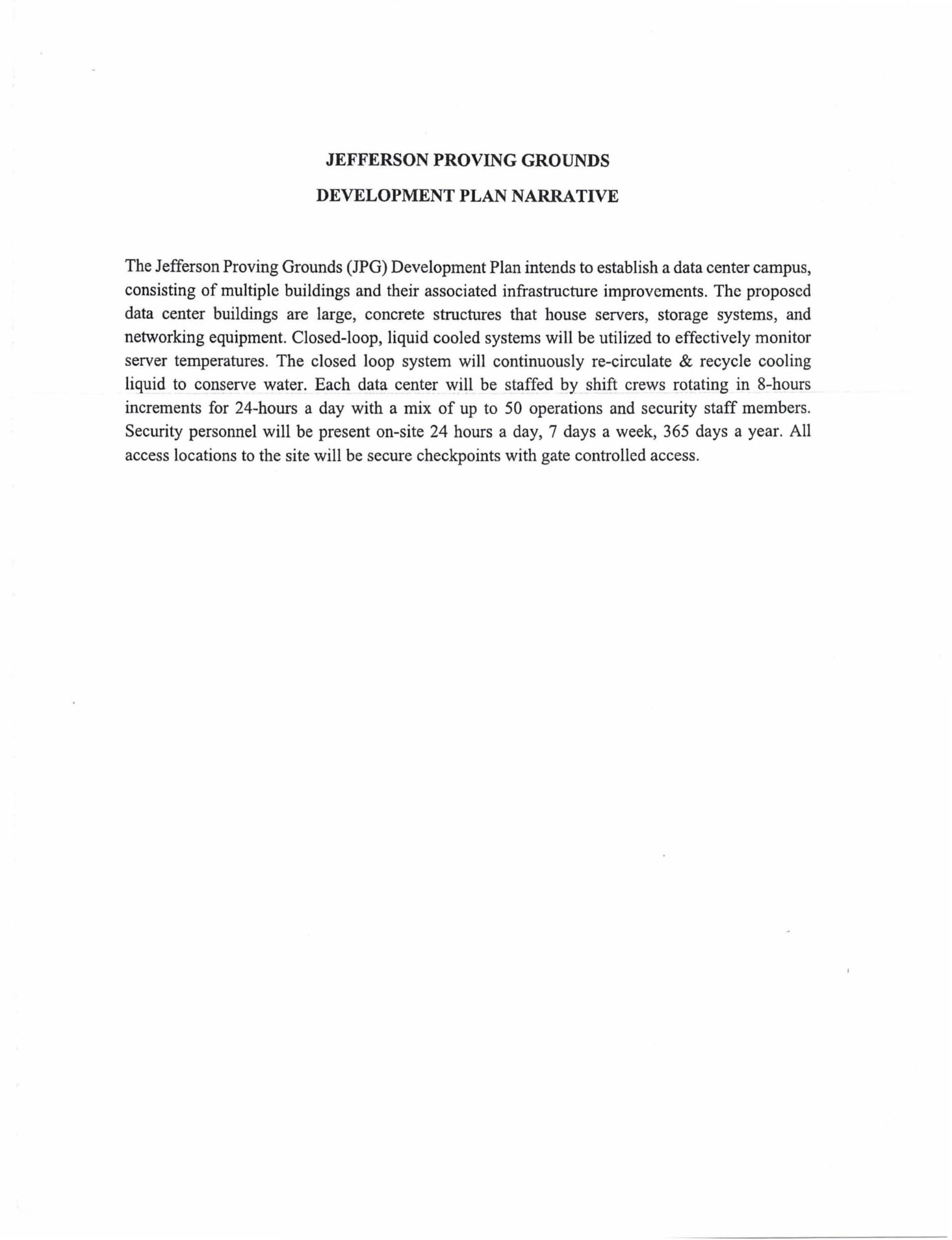
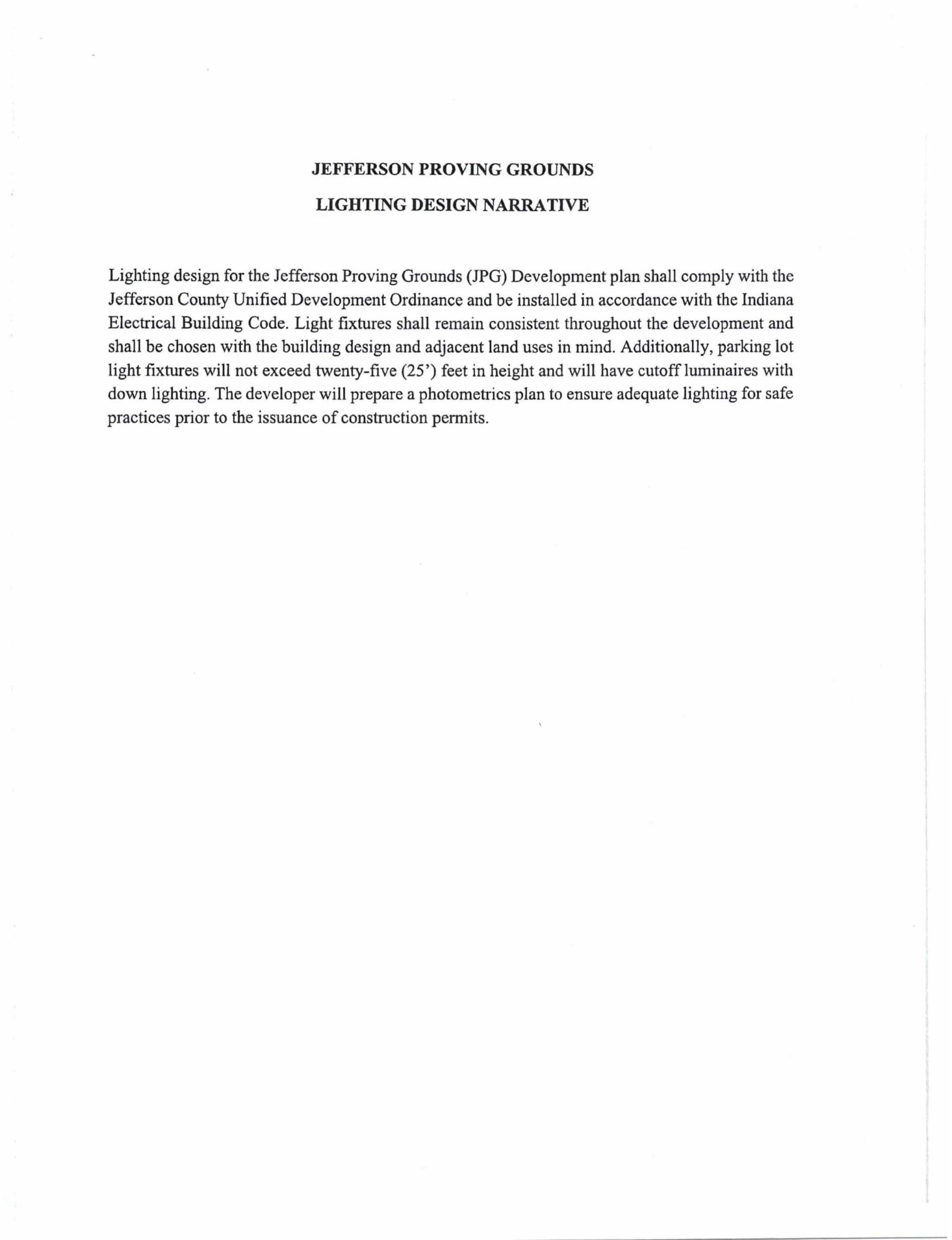
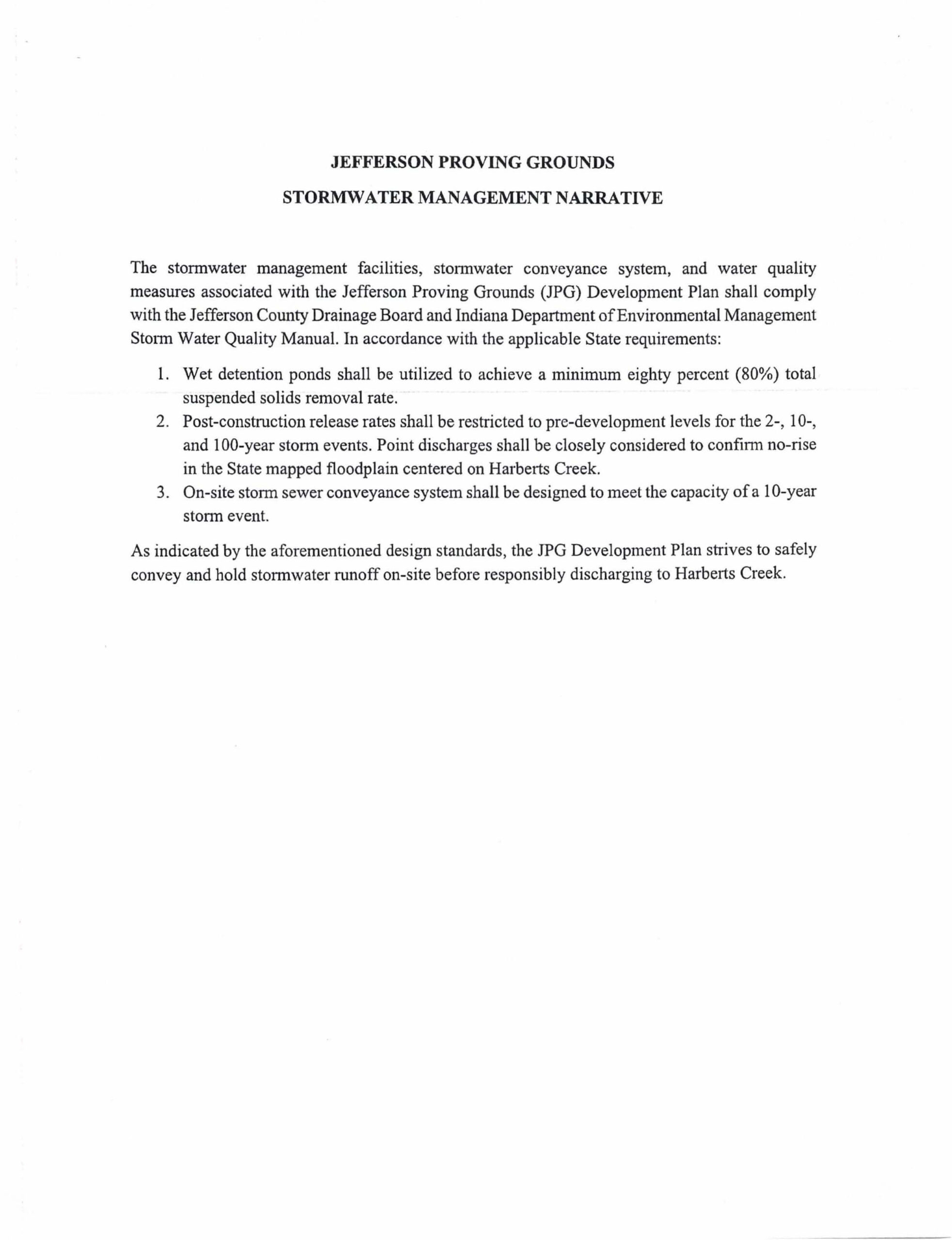
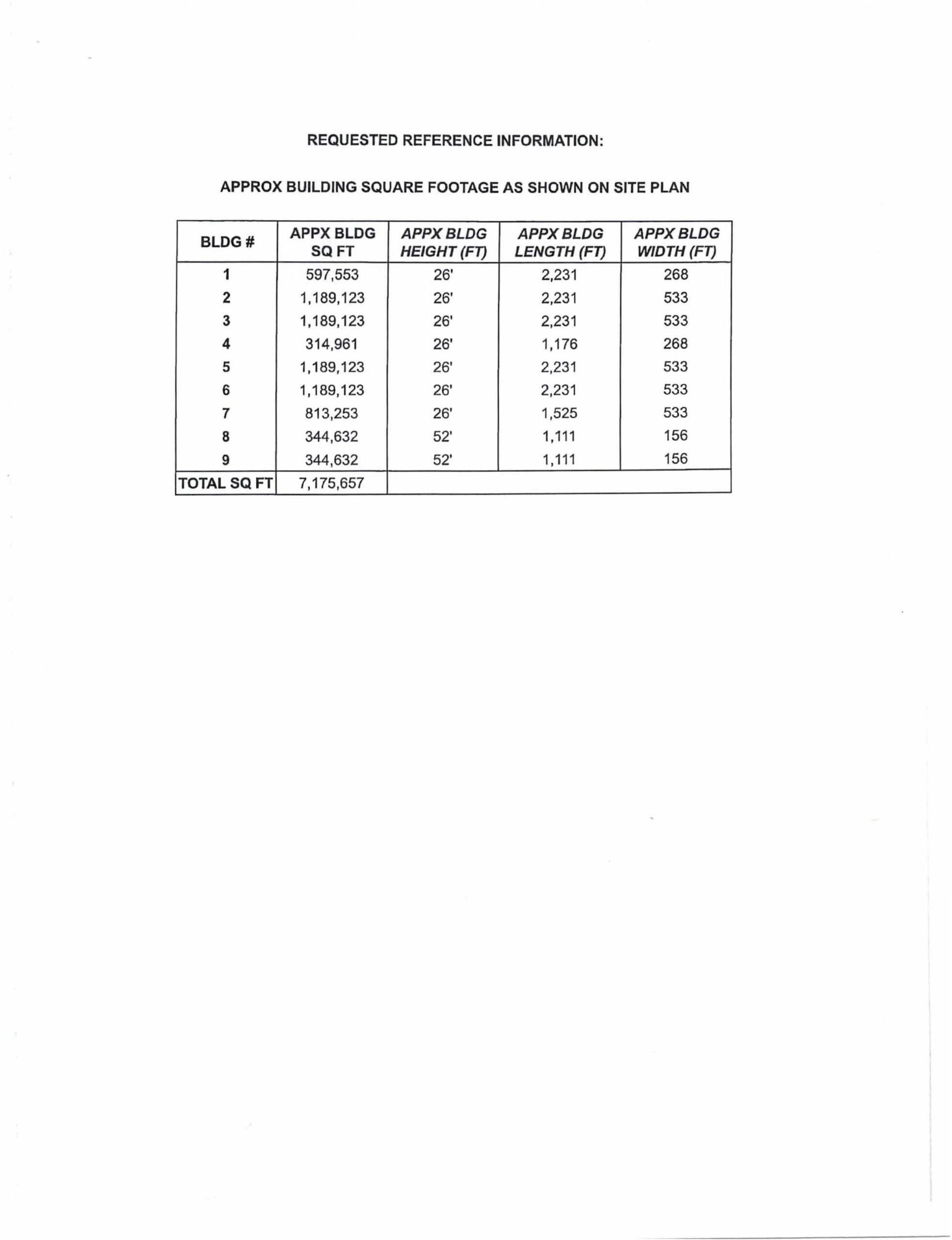
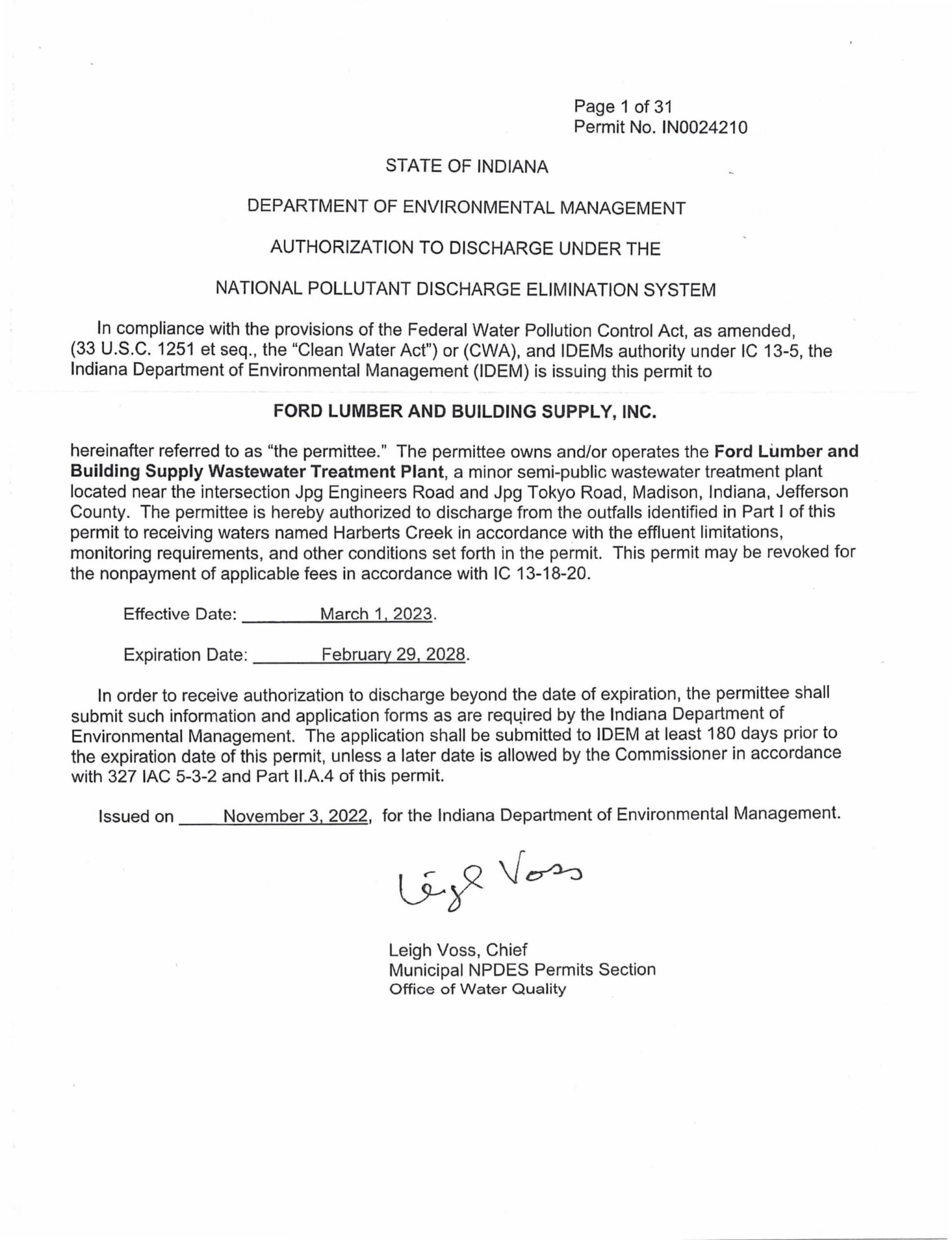
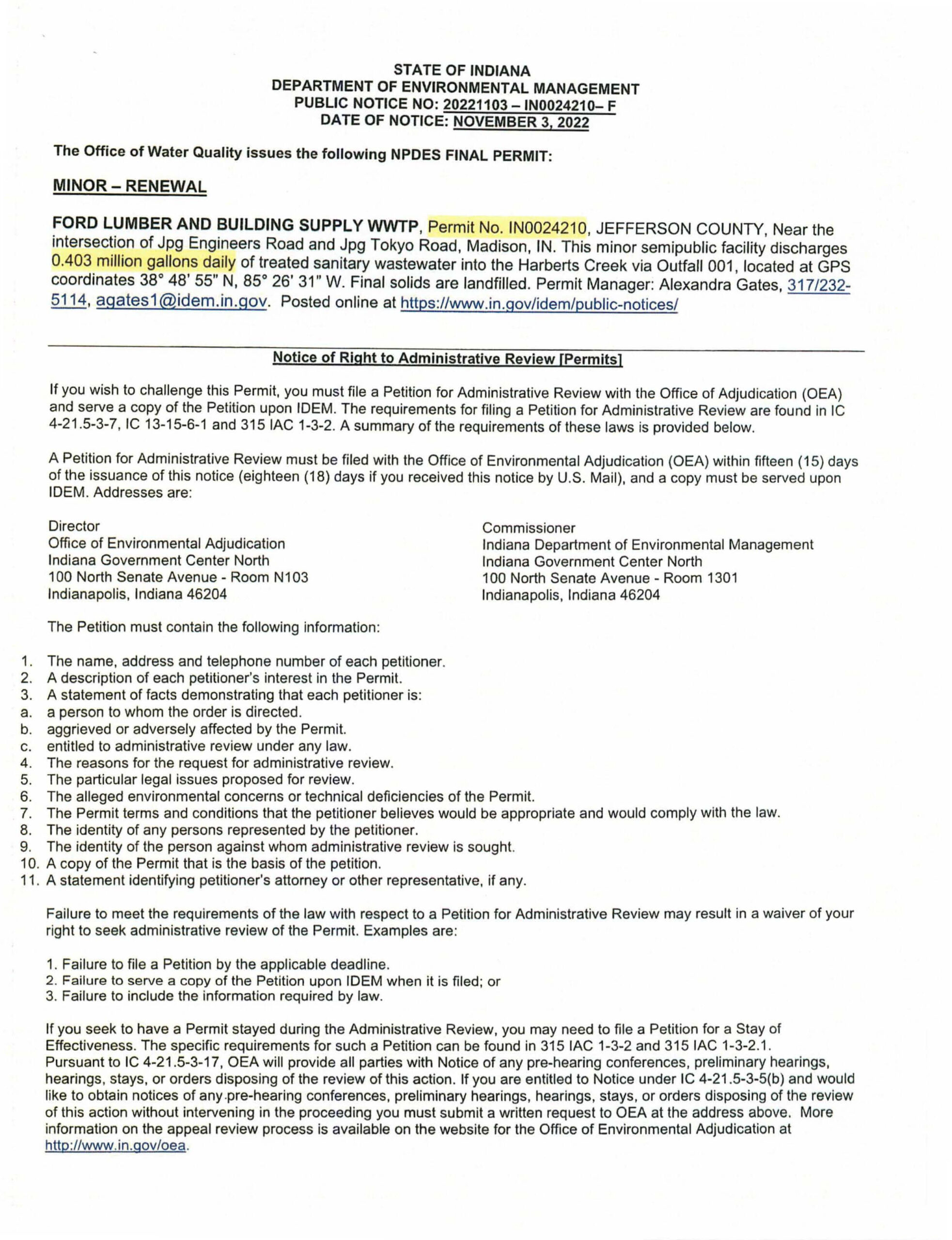
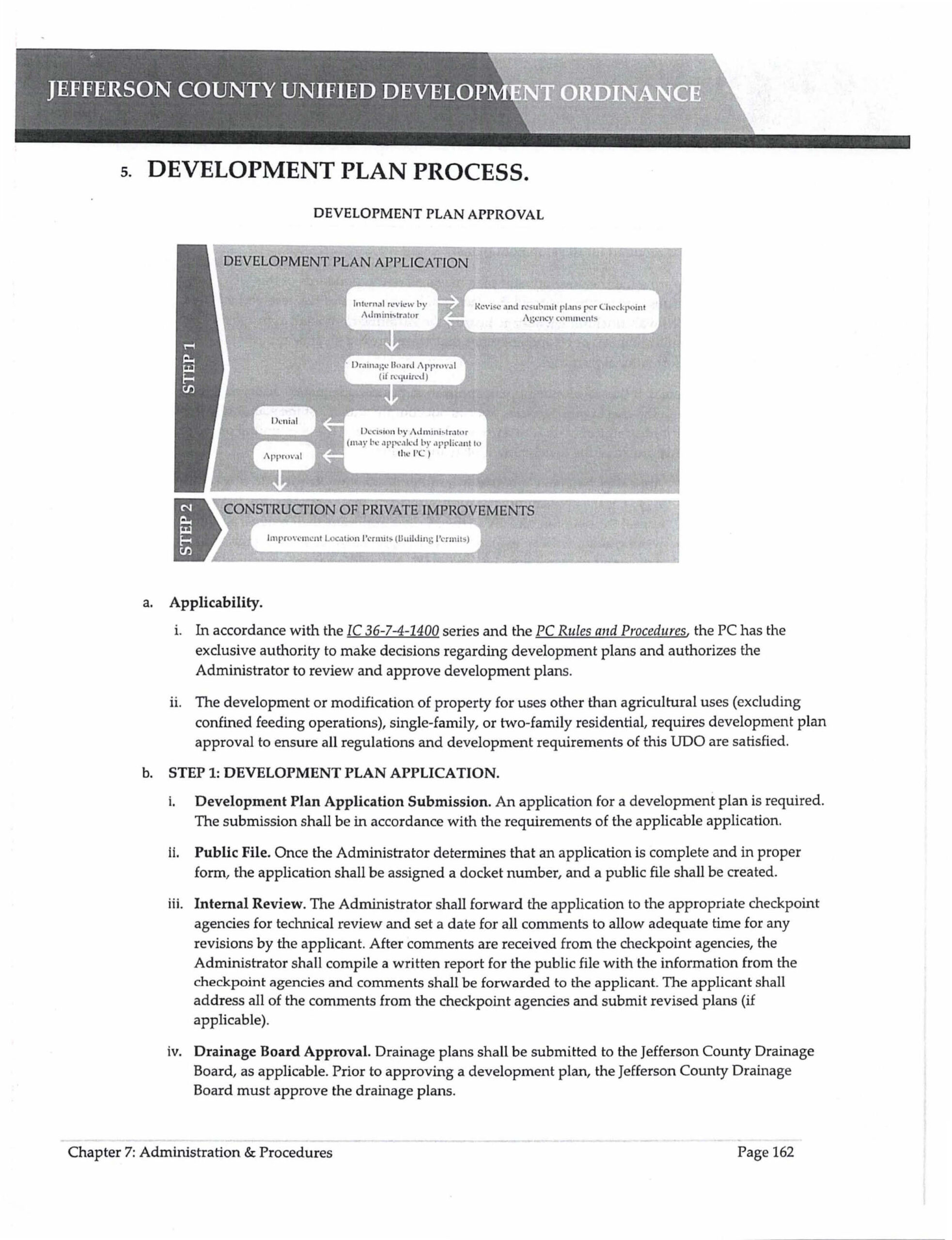
Although the 1,880 acre prior proving grounds is zoned Industrial 2, the community deserves to be a part of the development permitting process to determine if existing local resources, such as power, electric, and fire protections are adequate to sustain the community without additional cost or strain.
Our county plan commission recently updated their UDO (Unified Development Ordinance) to include additional site and development protections for industrial solar and battery energy storage systems (BESS).
These protections came only after the community united in demanding accountability from Orion on their planed Idlewild Solar project and our county officials.
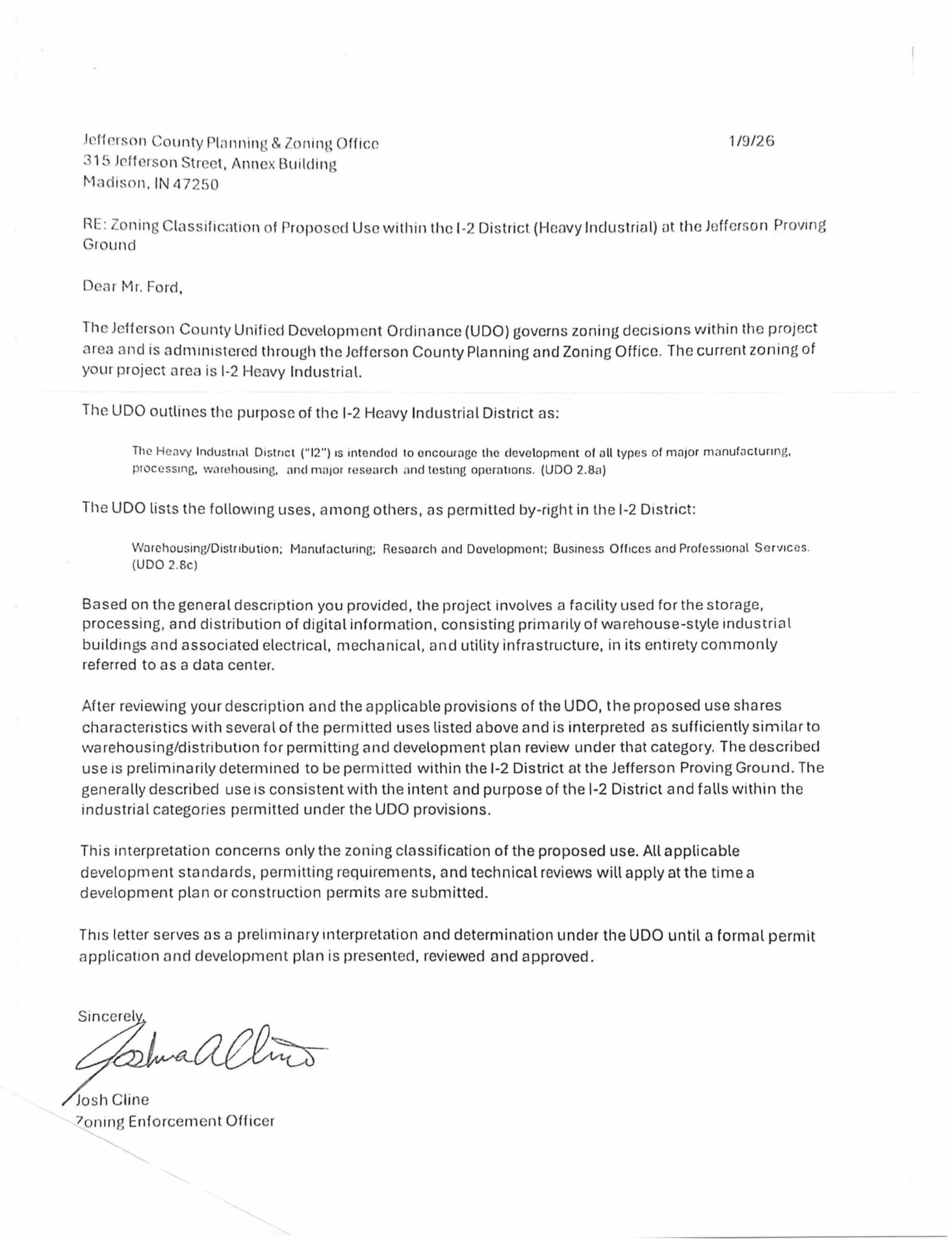
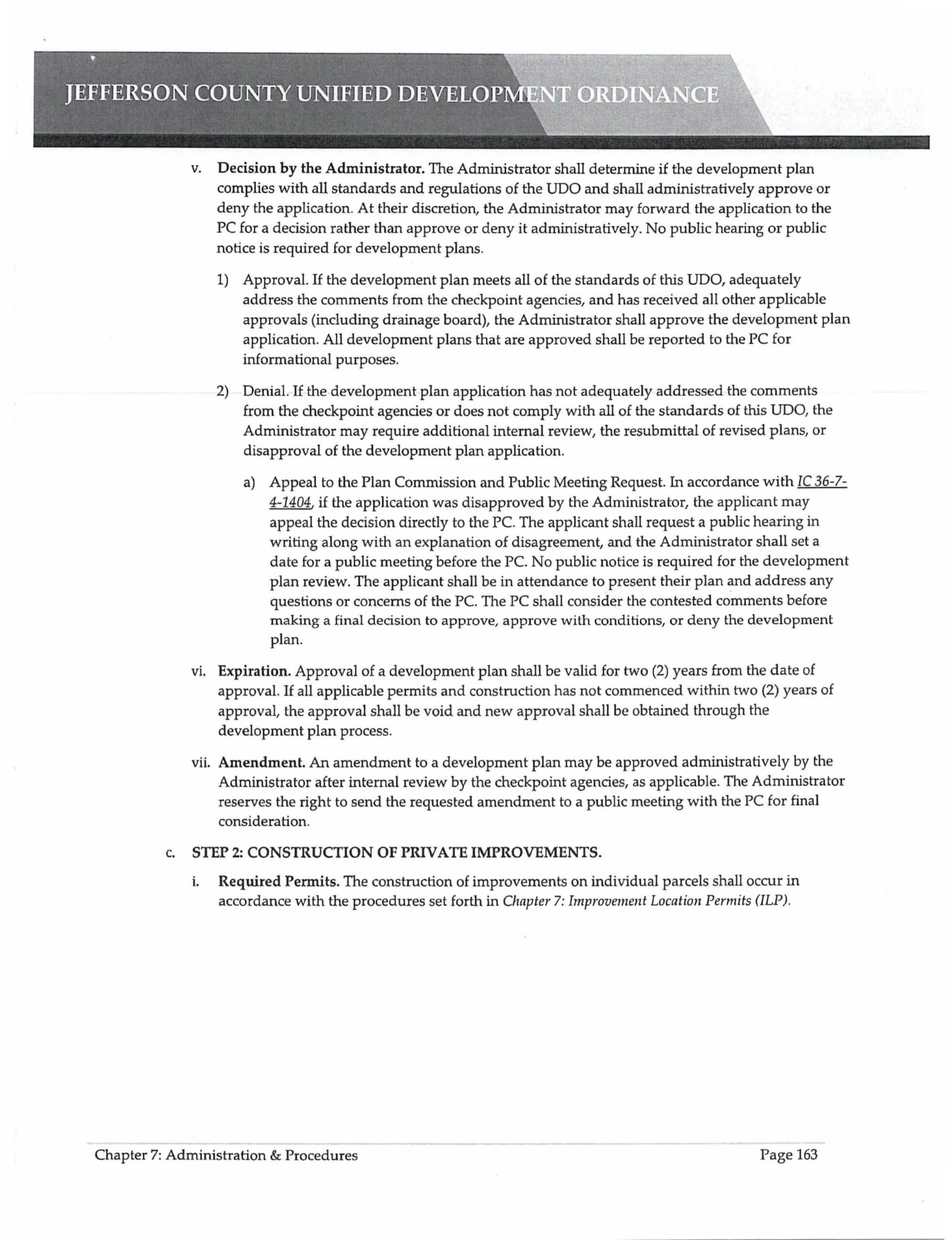
For some unknown reason at the time, our plan commission failed to define data centers. Now we know why. The county is claiming data centers are a permitted use under the Industrial zoning even though a hyperscale data center is not the same in comparison to the industrial uses defined in the nice new ordinance.
Since the JPG grounds is zoned I-2, the county director has preliminarily determined that it is a permitted use and does not require a public notice or hearing. However, data centers are vastly different than the traditional industrial warehouse, as defined in the ordinance.
Ironically, we turn to AI to help us cogently distinguish what a hyperscale data center actually is, and more importantly, what it is not:
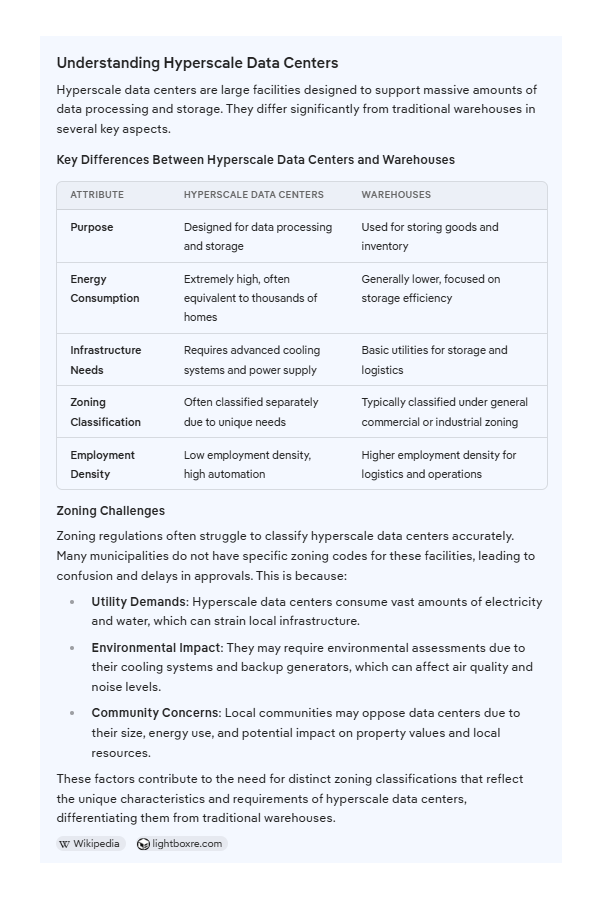
So here are the rational questions that should be asked before anything moves forward:
Who pays for new power generation and transmission upgrades if a hyperscale facility comes in?
- Will regional electric rates rise to support that infrastructure?
- What tax abatements or incentives would be offered, and for how long?
- How many permanent local jobs would actually result?
- What infrastructure burdens fall on surrounding counties that may not receive tax revenue from the site?
- How would water usage and environmental concerns be addressed given JPG’s history?
- Would this trigger additional industrial build-out across nearby rural areas?
And one more very important question:
Have any local officials, economic development groups, utilities, or regional planners signed NDAs or similar confidentiality agreements related to potential development at Jefferson Proving Ground?
If yes, the public deserves to know that discussions are happening, even if details are limited.
If not, why are local officials not speaking publicly about whether this type of project is being explored?
These projects reshape regions for decades.
Power grids, tax structures, land use and growth patterns all shift when hyperscale data infrastructure arrives.
Silence helps no one. Transparency helps everyone.
Credit and thanks to Jennings County’s Granny Punkbuster’s insightful input
https://www.facebook.com/share/p/1AsHW9zPuw/
How many hundred MW or GW will this fully operational hyperscale data center campus require to fill 7.1 square feet (curiously, this is not included in the preliminary application). What power source(s) and infrastructure improvements to the site will be required? What measures are in place to protect the community from bearing the substantial cost of transmission to the site and increased power demands?
Is there enough power to sustain our both our community and a fully operational hyperscale data center?
All of Jefferson County Fire Departments operate on a volunteer basis. If a fire were to occur at the proposed data center, an important question arises: who will be responsible for funding and providing the highly specialized training required for our firefighters?
Our volunteers are already stretched thin—many are balancing full-time jobs while serving the community, essentially “burning the candle at both ends.”
Multiple ladder, tower, aerial truck operations would be required in the event of a fire, which Jefferson County does not have. A data center fire is not comparable to a traditional structure fire. These facilities require a complex, multi-layered suppression approach, often involving methods that remove heat and displace oxygen rather than relying on water—which, in certain circumstances, can actually intensify electrical or battery-related fires.
Additionally, the presence of hazardous materials—particularly lithium-ion batteries—introduces further risk. These batteries are notoriously difficult to extinguish due to the potential for thermal runaway, creating prolonged, high-intensity fire events that demand advanced equipment and specialized expertise.
While mutual aid agreements are valuable, they are not an all-encompassing solution. If multiple incidents were to occur simultaneously—such as a residential structure fire elsewhere in the county—there simply may not be sufficient trained personnel or resources to respond effectively to both emergencies.
In short, a facility of this scale and technical complexity would not only place significant strain on our local volunteer department, but could also divert critical resources away from the immediate needs of our community and neighboring jurisdictions.
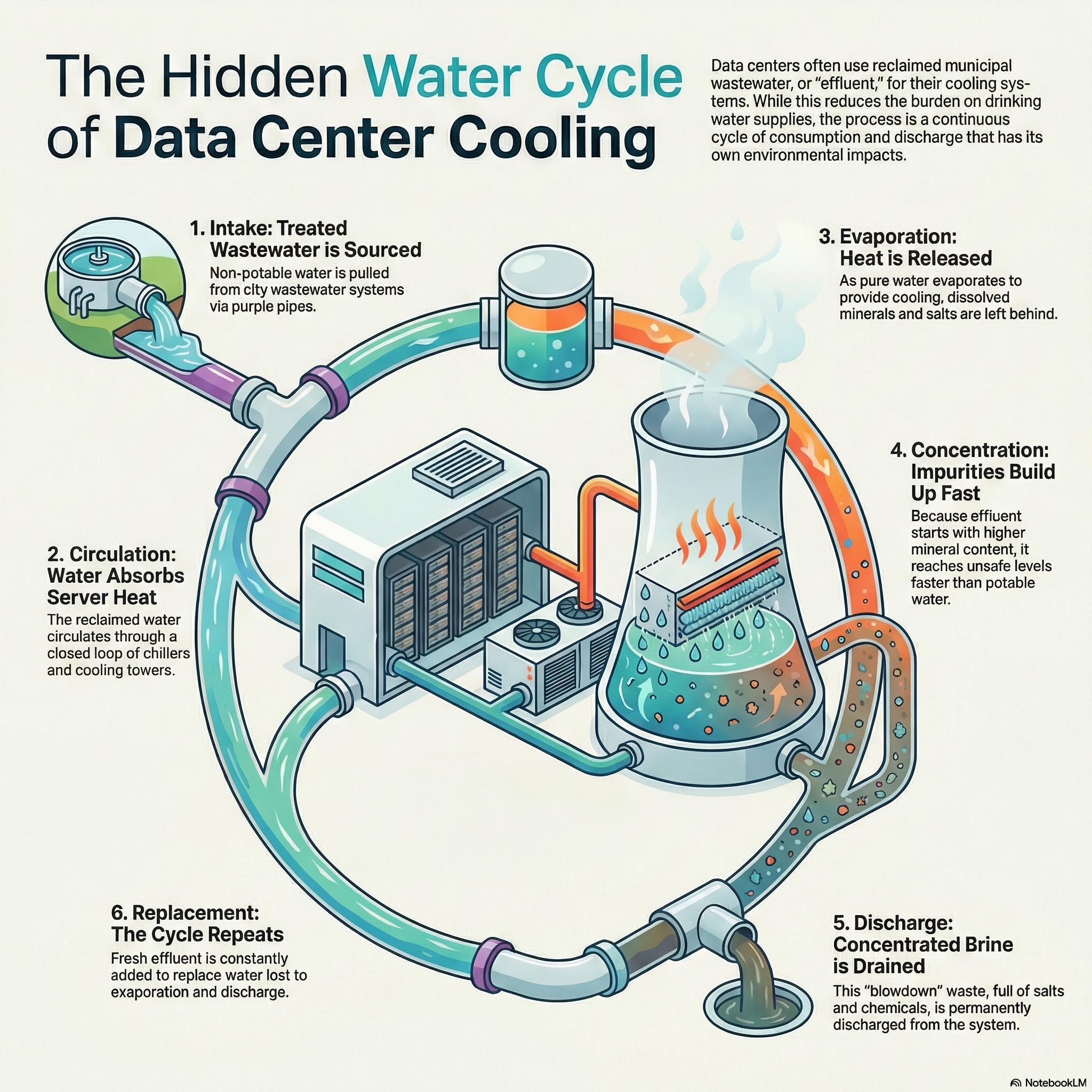
Once the center is fully operational, how many gallons of water are estimated to be used and the percentage from each source? How many gallons of waste water is estimated to be treated on site and discharged into retention ponds and local creeks?
What is the estimated total projected cost of this completed project?
With up to 50 year tax exemptions and abatements given away like candy to attact these tech giants to Indiana, what benefits will this project return to the community to replace those lost tax revenues?
WORKFORCE
As for our local workforce, there is no guarantee that any of the 300 highly skilled jobs required to operate the campus will be locally sourced.
JPG specifically raises environmental and land-use questions too, given its military history and wildlife refuge proximity. Any major build there would likely require environmental reviews and possible remediation planning.
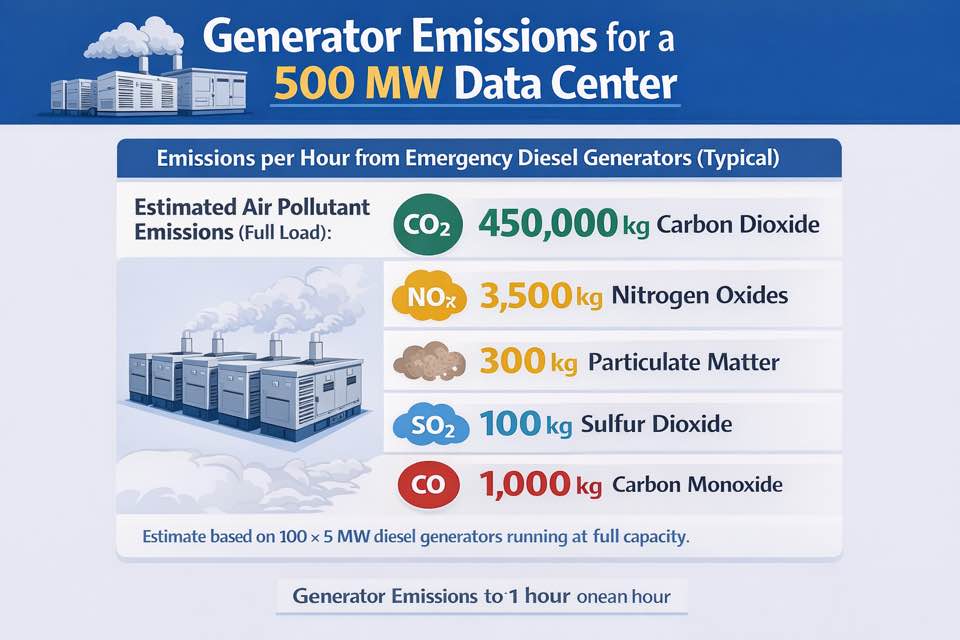
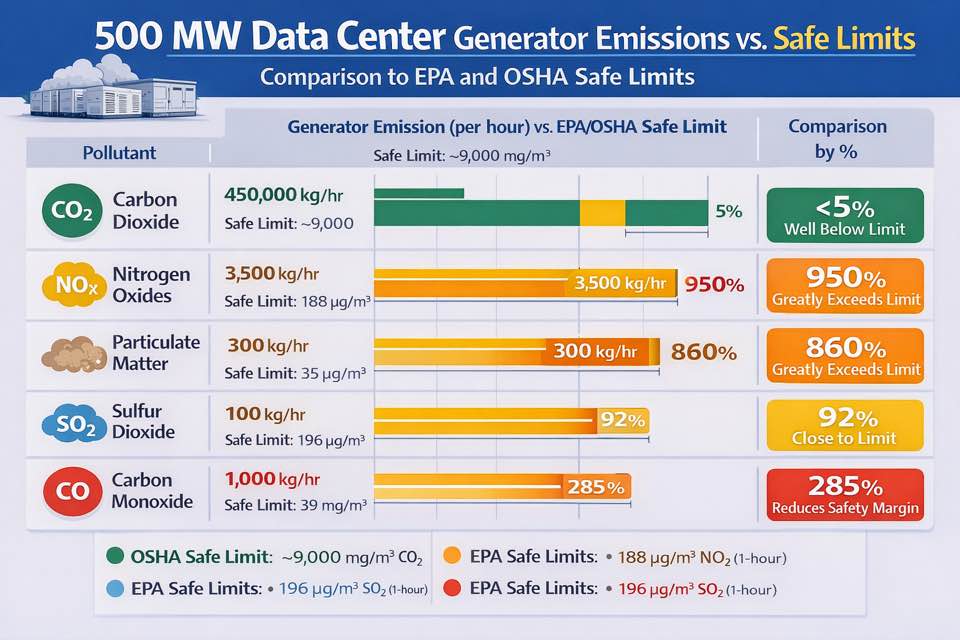
Additionally, hyperscale data centers operate on a 24/7 basis requiring huge backup generators that must be cycled on a regular basis and. Emissions from the operation of these generators can exceed EPA and OSHA safe limits.
These facilities require heavy fiber corridors, high-voltage electric lines, road upgrades, and sometimes significant water supply for cooling. Once that infrastructure is built into a rural mega-site, it often opens the door for more industrial development nearby because the expensive groundwork is already done.